How the Right Baby Chair Can Support Early Development and Make Mealtime Less Stressful
Parenting in the modern era comes with its own share of challenges and decisions. From choosing the safest toys to deciding on feeding routines, every little choice contributes to a child’s fundamental growth and emotional wellbeing. Among these innumerable decisions, selecting the right baby chair is often overlooked. Yet, the impact of this choice on early development, comfort, safety, and mealtime harmony is significant. For many families, mealtime can either be a daily battleground of spilled food and distress or a bonding opportunity punctuated by learning, laughter, and healthy routines. The right baby chair acts as a lynchpin in transforming the mealtime experience and nurturing a toddler’s development.
In this extensive article, we will explore how the conscious selection and use of a baby chair does far more than simply provide a place to sit. By focusing on the intersection between anatomy, psychology, safety, and family dynamics, readers will discover the holistic benefits the right baby chair brings to both children and parents, and how it can lay the foundation for a lifetime of positive eating habits and developmental progress.
The Baby Chair: More Than Just a Piece of Furniture
At first glance, a baby chair might appear to be a functional, mundane item. However, its design, structure, and adaptability are crucial factors that directly influence how a child interacts with food, family, and their surroundings. A well-made baby chair is engineered to promote correct posture, facilitate learning, ensure safety, and encourage positive routines. Modern baby chairs available in the United Kingdom offer a dazzling variety of features, from ergonomic contours and sturdy frames to adjustable heights, secure harnesses and easy-to-clean surfaces. Each innovation in baby chair technology is ultimately rooted in the understanding that early years are the bedrock of lifelong health and learning habits.
The importance of choosing the right chair is magnified by the particular demands of early development. During the first year, babies grow rapidly, gaining muscle strength, motor coordination, and social awareness. They transition from lying supported to sitting upright, move from exclusive milk diets to solid foods, and begin to engage meaningfully with their environment. The chair that supports them during these moments is not merely a passive carrier; it is an active agent shaping their bodily confidence, sense of security, and willingness to explore new tastes and textures.
The Role of Proper Seating in Physical Development
One of the most pivotal benefits of choosing the right baby chair lies in its support for optimal physical development. Babies and toddlers are constantly strengthening core muscles that help maintain balance and stability. An ergonomically designed chair with good lumbar and lateral support encourages the baby to sit upright, preventing slumping and promoting a healthy alignment of the spine. This upright posture is not only critical for comfort but also profoundly influences digestive health, as good posture aids in swallowing and reduces the risk of choking during meals.
Footrests featured on several contemporary baby chairs further aid musculoskeletal development. They enable babies to press their feet against a stable surface, offering feedback to their nervous system while aiding in proprioception—the sense of body position in space. Without such support, babies may experience discomfort and distraction, making them fidgety or reluctant to engage fully with their meal. A stable seating arrangement also supports the strengthening of fine motor skills as babies practise reaching for food, grasping spoons, and developing hand-eye coordination amid the relative stability a secure seat provides.
Furthermore, carefully designed harness systems prevent accidental toppling and ensure the baby cannot slip out, which is especially important as babies start to explore their own mobility. Adjustable trays and seat heights not only improve ergonomic support but also accommodate growth, maintaining the same high standard of support from infancy into the toddler years. Over time, this helps gradually foster independence, confidence, and safe progression to self-feeding.
Emotional Security Through Routine and Familiarity
Early childhood is an era defined by both rapid change and a burgeoning need for consistency. Babies and toddlers thrive when surrounded by predictable routines and familiar objects. A dedicated baby chair plays an essential psychological role, demarcating mealtimes as specific rituals that are distinct from play or other activities. When a child is placed in their special chair at the table, it acts as a cue which signals that mealtime, with all its social, sensory, and nutritional significance, is about to begin.
This sense of security is pivotal for emotional wellbeing. Young children often respond negatively to chaotic or unpredictable environments, which can result in food aversion, fussiness, or stress-induced digestive upset. A chair customised to the child’s size and needs gives them a sense of ownership and empowerment, helping to reduce anxiety and tantrums at the table. Over repeated exposure, children come to associate their chair with the comfort of shared family meals, reinforcing a cycle of positive behaviour.
In homes where parents, siblings, and even extended family gather routinely, the right chair also helps the baby feel truly included. This participation in mealtime conversations and rituals supports language acquisition, emotional bonding, and the early formation of social skills, such as waiting for a turn or showing appreciation for shared food. Thus, the chair is not just a static object, but an anchor grounding the baby’s emotional journey through the chaos of early childhood.
People Also Look For:
- YORKING Portable High Chair Travel Highchair Pink Babies and Children\'s Booster Seat Folding Compact Height Adjustable with Cushi...
- Ingenuity SmartClean Toddler Booster Seat, Slate, Dining and Feeding Seat for Toddlers, Lightweight for Travel, Easy to Clean, 3-P...
- Bebeconfort Meely, 2-In-1 Adjustable Baby High Chair Converts to Baby Chair, 6 Months – 3 Years (Max. 15Kg), Lightweight (3...
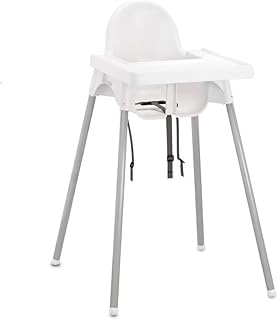
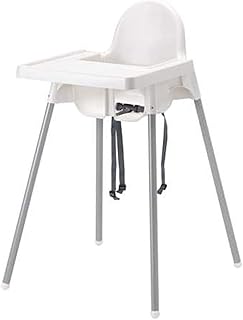
- IKEA Highchair ANTILOP, White, 15 kg Max Load, Portable, Foldable, for Kid, Aged 6 months to 3 years
- Mobiclinic®, High Chair, 2 in 1, Adjustable Height, Baby Highchair, Double Tray, Baby and Toddler Chair, 5-Point Safety Harness, ...
The Power of Position: Integration with Family Life
There is substantial evidence that children who eat at the table with the rest of the family are more likely to develop healthy attitudes toward food and demonstrate advanced communication skills. The right baby chair makes this integration natural and comfortable from the earliest stages, whether by being height-adjustable to match various table levels or designed with removal trays so the chair can slide directly up to the communal space.
Participation in family meals exposes babies to a wide variety of foods, table manners, and rituals. They watch, listen, and mimic adults and siblings, thereby rapidly broadening their social and cognitive learning. By observing how others interact, discuss, and dine together, babies understand how meals are about more than nutrition; they provide opportunities for celebration, discussion, and shared enjoyment. Being at an equal level, rather than isolated, increases a child’s engagement with food and lessens the likelihood of developing negative food associations or picky eating habits.
Integration with the family table is doubly important for working parents with limited spare time. A reliable, safe baby chair transforms the short window of dinner time into an intimate and interactive period, rather than an obligatory chore spent coaxing food into a distracted or uncomfortable child.
Safety Considerations: Peace of Mind for Parents
Mealtime stress is frequently exacerbated by concerns for safety. Babies and toddlers are notorious for their unpredictability, and an unsteady or poorly designed chair can become a source of genuine danger. Falls, tip-overs, choking hazards, and pinched fingers are all real risks when the proper seating arrangement is neglected. A well-designed baby chair built to British safety standards, with non-slip feet, a robust and stable frame, and multi-point harnesses, significantly reduces these risks and allows parents to focus more on the meal than on potential accidents.
Compliance with regulations such as BS EN 14988 for high chairs and equivalent standards for booster seats guarantees that the product has passed rigorous tests for structural integrity, restraint effectiveness, and stability. Investing in a certified chair from a reputable manufacturer brings peace of mind, knowing that the product is engineered to minimise every foreseeable safety risk.
An often-overlooked aspect of safety is parental confidence. When parents trust in the reliability and sturdiness of the baby chair, anxiety naturally decreases, making them more able to engage positively with their child rather than hovering nervously, anticipating disaster. This calm presence is observed and mirrored by the child, helping establish mealtime as a positive, low-stress environment.
Functional Design Features: Convenience Meets Practicality
The hectic pace of modern family life demands functional design that simplifies daily routines. High-quality baby chairs offer features that directly alleviate typical mealtime woes. Removable, dishwasher-safe trays cut down cleaning time, while stain-resistant fabrics or easily wiped-down surfaces make it simpler to manage inevitable spills. Some chairs even offer folding mechanisms for easy storage, an essential benefit in homes where kitchen and eating spaces are in high demand.
Many baby chairs are now designed to “grow with the child”, featuring adjustable heights, removable infant inserts, and convertible structures that transform from a reclined seat for young babies, through upright high chairs, to booster seats for toddlers and beyond. Such features eliminate the need for frequent replacement and offer children a familiar, supportive environment through several developmental milestones.
For parents who entertain guests, travel, or frequently visit relatives, portability is an added advantage. Compact high chairs, clip-on seats, and lightweight booster solutions can all serve diverse needs without compromising safety or comfort. Functional accessories, such as storage baskets for bibs and wipes, further streamline the process and keep all mealtime essentials within arm’s reach.
Encouraging Healthy Eating Habits: Early Lessons for Life
The roots of healthy eating are planted long before formal education begins. A secure, comfortable, and appropriately positioned chair allows children to concentrate on the meal itself, rather than squirming or struggling to maintain balance. This physical ease encourages positive associations with eating, decreasing the temptation for rushed or distracted feeding.
Babies sitting at eye level with parents are more likely to explore new foods and learn through observing others. By regularly witnessing the joys of family dining—whether vegetables, fruit, grains, or proteins—children are less intimidated by unfamiliar flavours and textures. This continual exposure is among the most reliable methods of preventing picky eating and fostering a healthy relationship with food.
Additionally, the act of self-feeding is encouraged by a chair that provides proper support and accessibility to food, utensils, and cups. Children who are empowered to feed themselves develop improved coordination and autonomy, skills which transfer to other areas of development. Over time, this translates to reduced reliance on parents for every bite, fostering self-confidence and a willingness to experiment with eating.
Accommodating Diverse Needs: Inclusive Design Matters
Not all children develop at the same pace or face the same physical and developmental challenges. Fortunately, the range of baby chairs available today encompasses inclusive designs that cater for every level of ability and need. Children with physical disabilities or delays benefit tremendously from chairs that offer enhanced lateral support, specialised harnesses, and adaptive footrests. Consulting medical professionals and opting for NHS-approved or medically reviewed seating options is essential for families navigating additional challenges.
Reviews and regular adjustments by physiotherapists, occupational therapists, or paediatricians ensure ongoing suitability of the chair as the child grows. Manufacturers increasingly provide modular systems that can be tailored for each child, reaffirming the crucial role that thoughtful design plays in delivering an equitable, supportive mealtime experience.
Simplifying Transitions: From Milk to Solids and Beyond
The journey from milk to solids is fraught with challenges for both babies and parents. The shift necessitates new skills, trust, and comfort. A well-designed baby chair supports this transition by offering a stable, reassuring foundation. When the baby is ready to try new foods and textures, the chair’s supportive design fosters focus and engagement, minimising distractions and discomforts that might hinder experimentation with solid foods.
As children move through infancy into toddlerhood, their chair can continue to adapt, growing with them both physically and emotionally. Adjustable features, ease of cleaning, and convertible formats mean the same chair can accompany family meals for years, becoming embedded in shared family stories and routines.
Reducing Mealtime Stress: Real-Life Impact for Parents and Children
Stressed-out mealtimes are a familiar struggle for countless families. The right baby chair is a powerful tool in reducing this stress. By creating a safe, supportive, and consistent environment, the chair helps children feel secure in their eating rituals, thus diminishing resistance, fuss, or tantrums at the table.
For parents, the assurance of safety and cleanliness allows more attention to be devoted to positive interaction and less to constant vigilance or cleaning up messes. Over time, this leads to improved communication, strengthened bonds, and, ultimately, a more harmonious household rhythm.
Many parents relate stories of their child's favourite chair becoming a beloved object, a source of anticipation and happiness rather than conflict or discomfort. Such associations, rooted in everyday consistency, can have a long-lasting impact, shaping a child's anxieties and comforts well beyond their early years.
Innovation and Sustainability: The Future of Baby Chairs
As manufacturers become increasingly aware of sustainability and environmental responsibility, baby chairs have evolved to reflect new priorities. Recyclable materials, modular design for long-term use, and ethical manufacturing practices ensure that families do not have to compromise their values for safety or convenience. Many contemporary baby chairs combine timeless wooden craftsmanship with the latest ergonomic research, creating products that marry tradition and innovation seamlessly.
Emerging technologies are making their way into baby chair design as well, from antimicrobial surfaces to smart harnesses that adjust tensions according to the child's movements. While some of these advancements are still in their infancy, they underscore the ongoing commitment of the industry to support early development while addressing family needs and concerns.
Choosing the Right Baby Chair: A Family’s Journey
Amidst the vast array of choices, selecting the baby chair that works for your family requires careful consideration of numerous factors: safety certifications, adaptability, ease of cleaning, size, stability, and, crucially, the unique needs of your child. Reading reviews, seeking recommendations, and, if necessary, consulting with professionals are all vital parts of the selection process.
Ultimately, the decision-making journey can be a meaningful one. Choosing the right chair becomes a gesture of care and intention, reflecting a family's commitment not just to safety but to fostering joy, connection, and healthy growth through every shared meal.
Conclusion
In conclusion, the humble baby chair emerges as an unsung hero of the early years, acting as a bridge between nurture, development, and daily family life. The right chair goes far beyond mere utility; it provides critical support for physical growth, emotional security, and early independence. By integrating children fully into family mealtimes, the appropriate chair sows the seeds for healthy habits, harmonious routines, and lifelong positive associations with food and togetherness.
Parents who invest time and attention into researching, selecting, and using a well-designed baby chair reap the benefits far beyond the toddler years. Less stressful mealtimes, improved safety, and opportunities for bonding become the norm rather than the exception. As innovation and design continue to evolve, families can look forward to even smarter, safer, and more supportive solutions in the years ahead—ensuring that the next generation grows up secure, inspired, and ready to embrace all that mealtime and family life have to offer.