Baby Chairs for Every Stage of Your Child’s Growth
As parents, one of the most rewarding experiences is witnessing your child grow and reach new developmental milestones. From their first smile to their first meal, every stage of a child’s growth brings immense joy and new challenges. One crucial piece of furniture that evolves with your child is the baby chair. From newborn recliners to toddler booster seats and beyond, finding the right baby chair for every stage of growth ensures your little one remains comfortable and properly supported as they learn and explore the world. This article highlights how baby chairs cater to your child’s changing needs and provides useful insights into choosing the best options for each stage of development.
Why Selecting the Right Baby Chair Matters
Baby chairs are more than just a place to feed your little one or keep them seated. They are essential tools for fostering your child’s physical and cognitive development. The right chair provides safety, support, and comfort while also encouraging proper posture and motor skill growth. Choosing an age-appropriate baby chair ensures your baby gets the necessary support while aligning with their unique developmental stage.
From simplistic chairs designed for infants to highly adjustable multifunctional options that grow with your child, the variety of baby chairs available today allows parents to make well-informed choices. Below, we explore the vital types of chairs and their features for each stage of your child’s growth.
Stage 1: Newborns (0–6 Months)
Baby Bouncers and Rockers
In the first six months of life, babies are primarily focused on their basic needs: sleeping, feeding, and gaining strength in their neck and back muscles. Baby bouncers and rockers are ideal for this stage as they provide gentle motion to soothe and comfort your little one. These chairs often come with reclined seating that supports a newborn’s still-developing neck and spine.
Modern baby bouncers and rockers feature additional functionalities such as vibration settings, musical options, and attachable toys to stimulate sensory development. Some popular examples on the market include the BabyBjörn Balance Soft Bouncer and the Fisher-Price Infant-to-Toddler Rocker. Both models offer ergonomic seating and the versatility to grow with your baby during the early months.
People Also Look For:
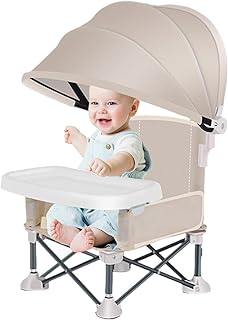
- Colcolo Baby Seat Booster Toddlers Dining Seat Removable Tray with Travel Bag, Aluminum Alloy Baby Camping Chair with Tray Portabl...
- Dettol Antibacterial Multi Surface Cleaning Spray 750ml
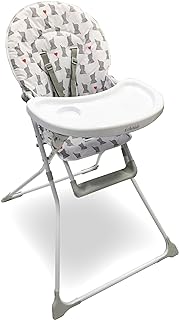
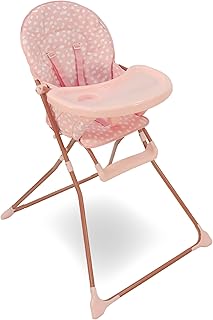
- Mamas & Papas Snax Adjustable Highchair, Reclines, Foldable with Removable Tray, Happy Planet
- Rainbow Tree Kids Table and Chairs with Storage Bin Wooden Toddler Table and Chairs Sets 2 in 1 Children Chair Desk with Small Tab...
- Cozy N Safe Kea i-Size ECE R129 (22-36kg, 6-12 Years Old), Lightweight Compact, Backless Child Booster Car Seat Onyx
Features to Look For:
- A reclined seating position to support newborns.
- Adjustable harnesses to ensure safety.
- Washable fabrics for easy cleaning.
- Lightweight and portable designs for easy use around the house.
Stage 2: Infants (6–12 Months)
Highchairs for Feeding
As babies transition to solid foods at around six months, feeding becomes a significant part of their daily routine. Highchairs provide a safe and secure space for babies to explore new foods while practising their sitting skills. At this stage, babies can sit upright with minimal assistance, so highchairs offer excellent support for both their posture and feeding habits.
Some of the most popular highchairs include the IKEA Antilop Highchair, which is affordable and easy to clean, and the Stokke Tripp Trapp, a high-end option that grows with your child through its adjustable design.
Features to Look For:
- Five-point safety harnesses for secure seating.
- Removable trays for easy cleaning.
- Height adjustability to suit different dining table sizes.
- Compact and foldable designs for convenient storage.
Stage 3: Crawlers and Early Walkers (12–24 Months)
Transitional Highchairs
By this stage, your baby is gaining mobility and independence. Transitional highchairs, which can double as toddler chairs, are perfect for children aged one to two years. These chairs are designed to adjust to your growing toddler, providing independent seating options as they begin to mimic adult behaviour, such as sitting at the table during mealtime.
A great option in this category is the 3-in-1 highchair, such as the Graco Blossom Convertible Highchair, which transitions from a baby chair to a toddler booster and eventually to a youth chair. This versatility makes it a practical investment for long-term use.
Features to Look For:
- Height and seat adjustability.
- A sturdy construction that prevents tipping.
- Non-toxic, durable materials for safety.
- Footrests to improve posture and support.
Stage 4: Toddlers (2–4 Years)
Booster Seats
Once your child graduates from highchairs, booster seats become the next logical step. Booster seats can be placed on regular dining chairs and bring toddlers to table height, allowing your little one to sit comfortably and enjoy meals with the family. Many booster seats come with detachable trays, enabling toddlers to transition to eating directly from the table.
Popular choices such as the Munchkin Travel Booster Seat or the Oxo Tot Perch Booster Seat offer great portability, making them ideal for both home and travel use.
Features to Look For:
- Adjustable straps to secure the booster to the chair.
- Portable and lightweight design for travel.
- Comfortable cushioning for longer mealtimes.
- Non-slip bases for extra safety.
Stage 5: Preschoolers and Beyond (4+ Years)
Youth Chairs
As children grow older, they generally prefer chairs that look and feel more like adult seating. Youth chairs are designed to provide slightly elevated seating for older children while allowing them to sit at the dining table without assistance. Many models are adjustable and durable enough to support a child well into their teenage years.
The Stokke Tripp Trapp Chair and the Hauck Alpha+ Chair are excellent examples of youth chairs that grow with your child, offering longevity alongside their sleek, modern design.
Features to Look For:
- Height adjustability to accommodate growing children.
- Sturdy, high-quality materials to ensure durability.
- Modern designs that align with household furniture.
- Comfortable footrests for ergonomic support.
Tips for Choosing the Perfect Baby Chair
With so many options available, selecting the right baby chair for each stage of your child’s growth can feel overwhelming. Here are some tips to simplify your decision-making process:
- Prioritise Safety: Always check for safety features such as harness points, secure bases, and non-toxic materials.
- Consider Durability: Invest in high-quality chairs that can withstand wear and tear as your child grows.
- Evaluate Adaptability: Chairs that grow with your child offer better value for money in the long term.
- Test for Comfort: Ensure that the chair offers adequate cushioning, back support, and ergonomic design for your child’s comfort.
- Choose Easy-to-Clean Options: Spill-resistant materials and removable, washable components make maintenance easier.
Conclusion
Baby chairs are essential companions for your child’s journey through various developmental stages. From bouncers for newborns to youth chairs for preschoolers, each chair type addresses the unique needs of a growing child. By understanding these stages and choosing chairs that combine safety, functionality, and style, parents can ensure their child’s comfort while fostering growth and independence.
Versatile, durable, and thoughtfully designed, modern baby chairs simplify parenting while adding convenience to daily life. Investing in high-quality chairs tailored to each age group not only benefits your child’s development but also provides peace of mind as they grow. Whether you’re a first-time parent or expanding your family, finding the right baby chair for every stage is a step towards creating a nurturing and supportive environment for your little one.